
Iznik – Ottoman Pottery from the Depths of the Adriatic
Zagreb, Mimara Museum, May 18th – Sep 13th, 2015; Dubrovnik, Ethnographic Museum, July 15th – September 30th 2016

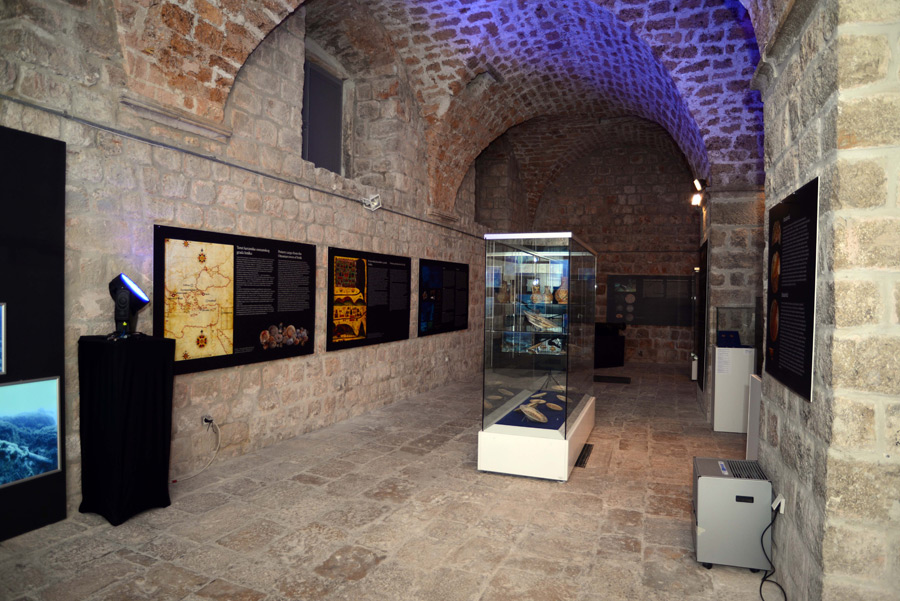
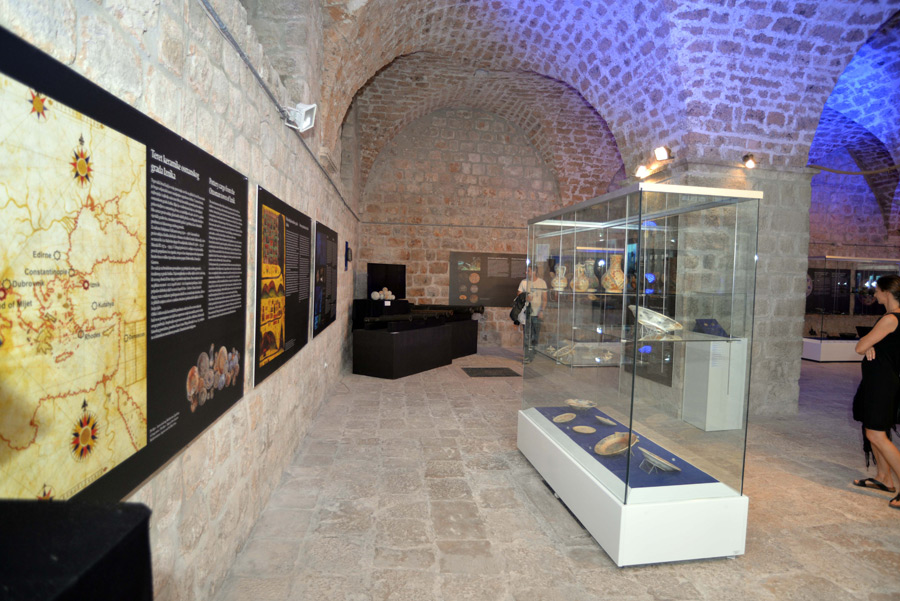
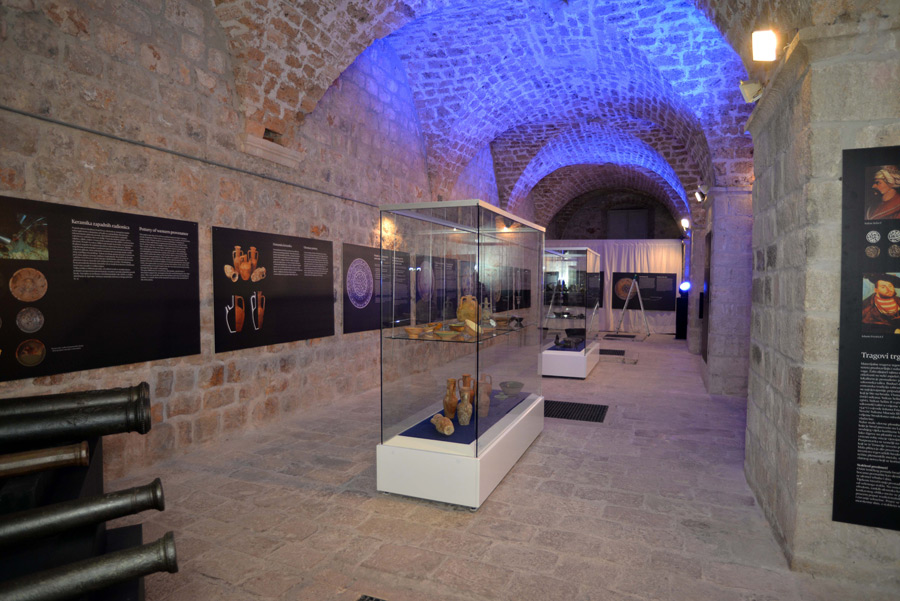
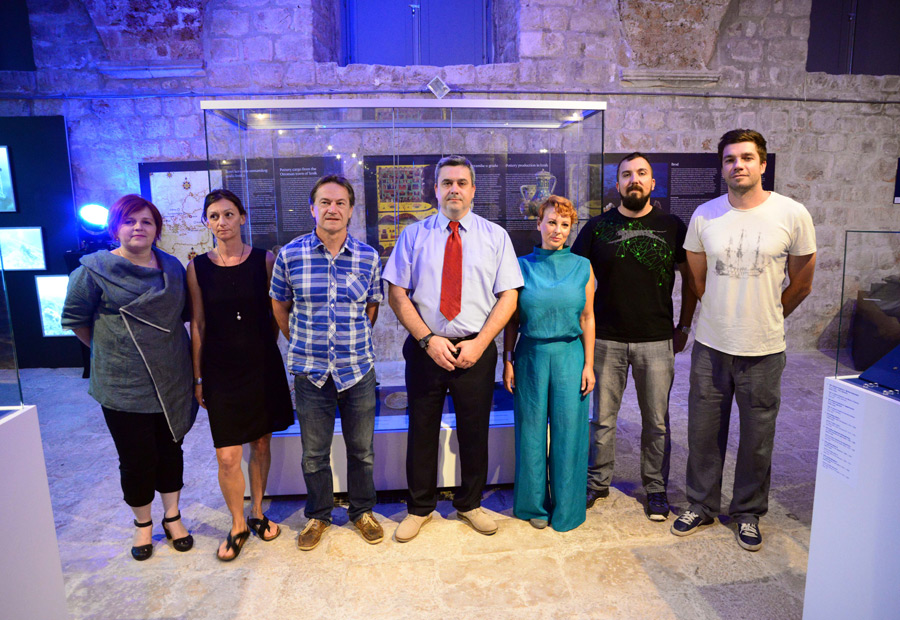
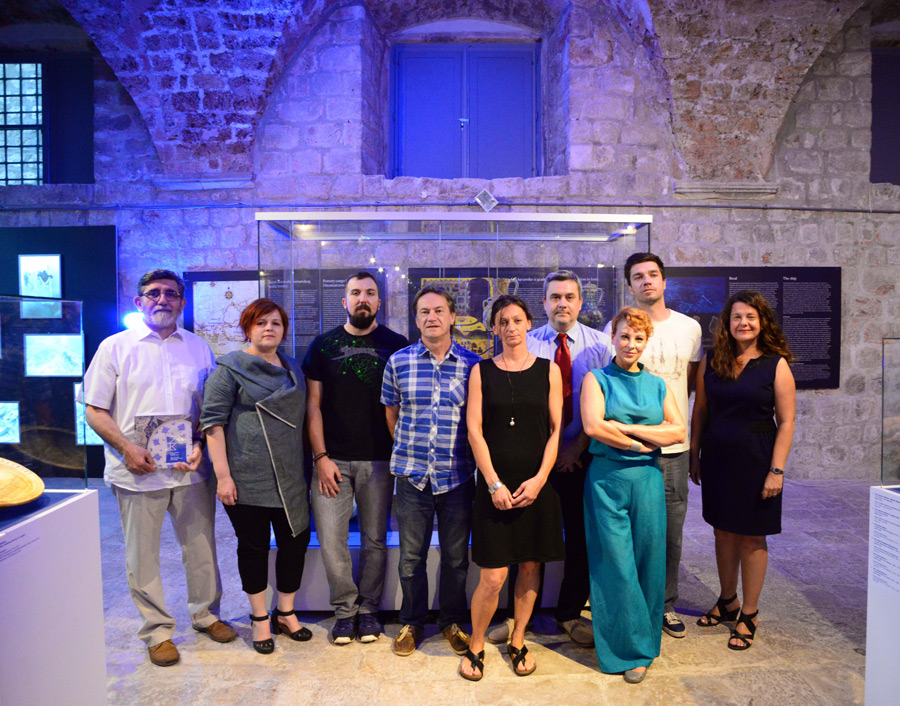
Sponsored by the Croatian Ministry of Culture and organized by the Mimara Museum and the Croatian Conservation Institute, in collaboration the Dubrovnik Museums and the Yanus Emre Institute, the exhibition Iznik – Ottoman Pottery from the Depths of the Adriatic was on view at the Mimara Museum in Zagreb in 2015, and at in 2016.
Zagreb, Mimara Museum, May 18th – Sep 13th, 2015; Dubrovnik, Ethnographic Museum, July 15th – September 30th 2016
Sponsored by the Croatian Ministry of Culture and organized by the Mimara Museum and the Croatian Conservation Institute, in collaboration the Dubrovnik Museums and the Yanus Emre Institute, the exhibition Iznik – Ottoman Pottery from the Depths of the Adriatic was on view at the Mimara Museum in Zagreb in 2015, and at in 2016.

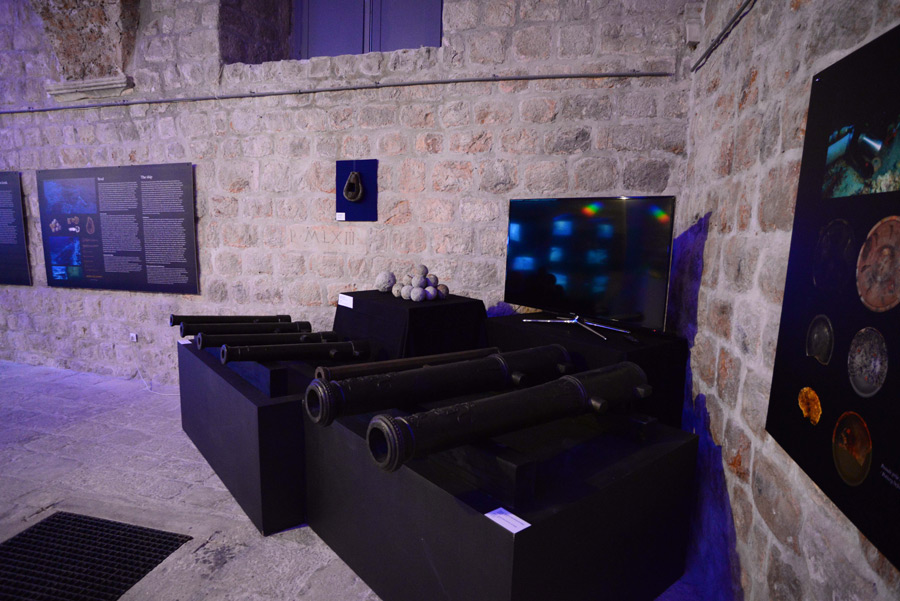
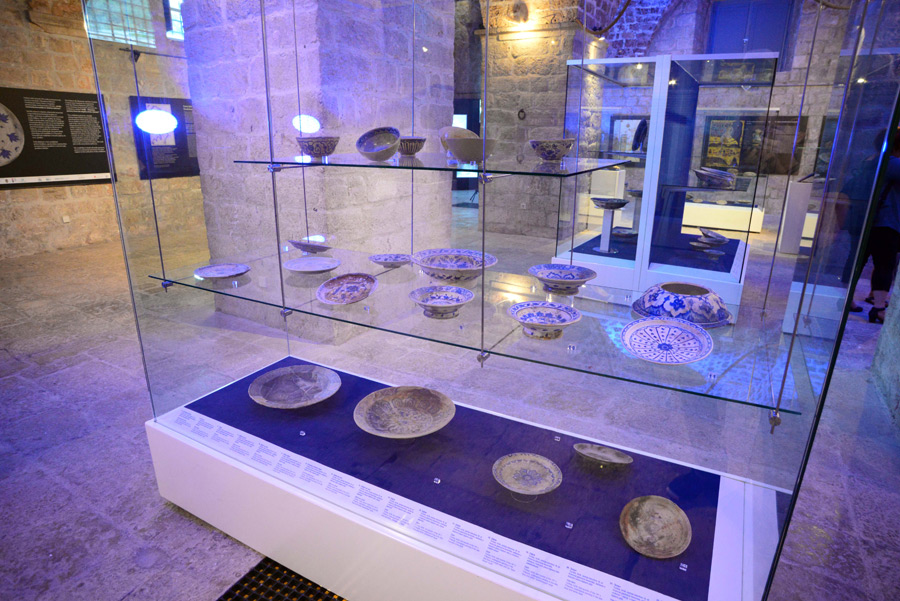
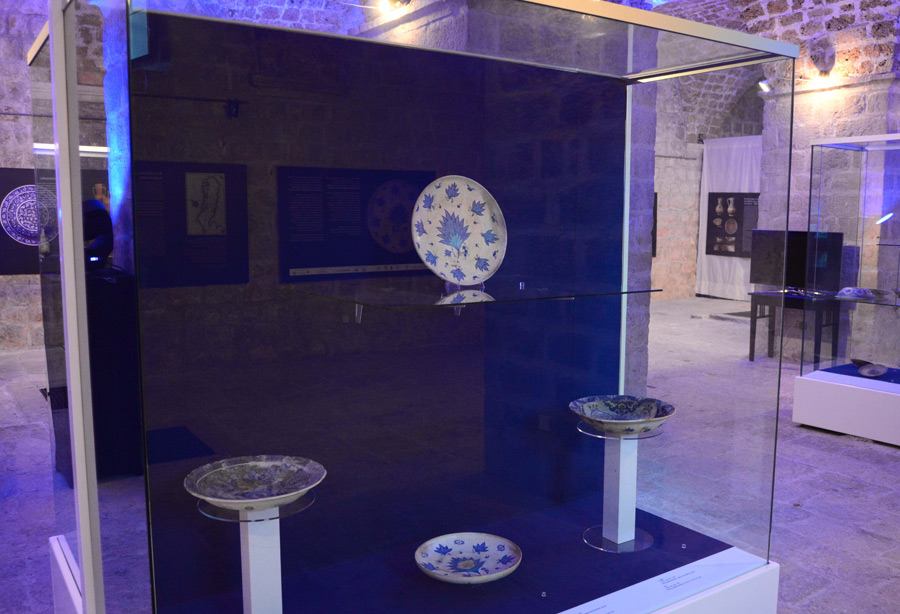
Exhibition authors, Igor Miholjek and Vesna Zmaić Kralj from the Croatian Conservation Institute reveal that the valuable archaeological material from the late 16th century that went on display was recovered from a trading vessel that sank in the Sveti Pavao shallows, off the island of Mljet. Since 2007, the Department for Underwater Archaeology of the Croatian Conservation Institute has conducted research at the site, financed by the Ministry of Culture, and in the period from 2010 to 2012, the Ca’ Foscari University of Venice joined the underwater archaeologists as partner in the project. According to the finds, fully restored in the Croatian Conservation Institute, it is possible to conclude that the vessel was carrying oriental merchandise intended for the European market. Among the most compelling finds is certainly the ship’s luxury cargo: pottery from the Ottoman town of Iznik. The Iznik ceramic ware was greatly esteemed in the 16th century, from the time of Selim I to that of Murad III, but it was during the reign of Suleiman the Magnificent that it reached its peak in production, quality of workmanship and decoration. It became popular in Europe at the same time, and was being shipped as luxury goods to major market centres like Dubrovnik and Venice. To this day, the Iznik pottery has maintained its supreme artistic and historical value. Such a wide array of items within a closed archaeological unit, as was recovered from the shipwreck in the Sveti Pavao shallows, holds extraordinary value for the dating and reconstructing of timeline of Iznik ceramic production. It excellently illustrates economic circumstances of the period and is a first-rate example of the trade between the East and West during the second half of the 16th century.
Fotoalbum
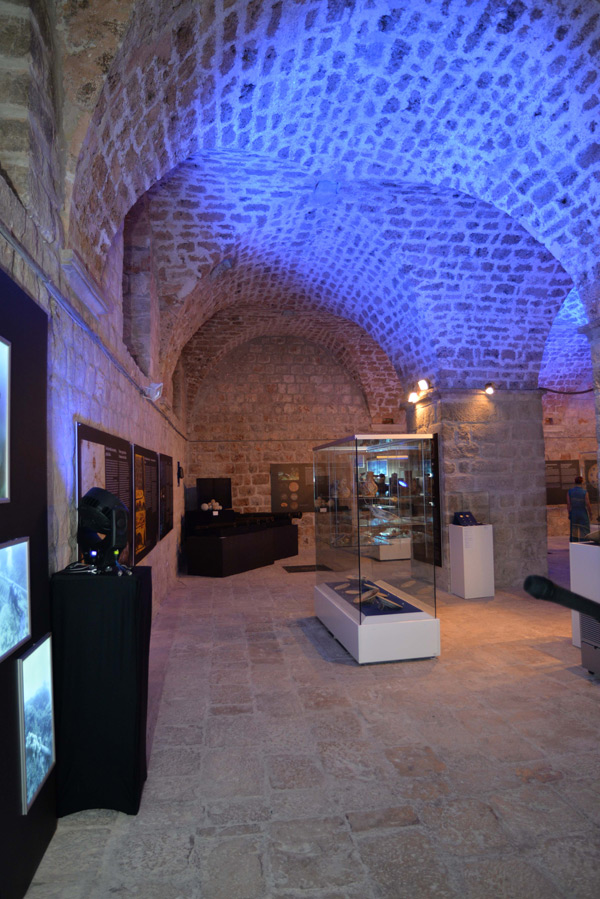
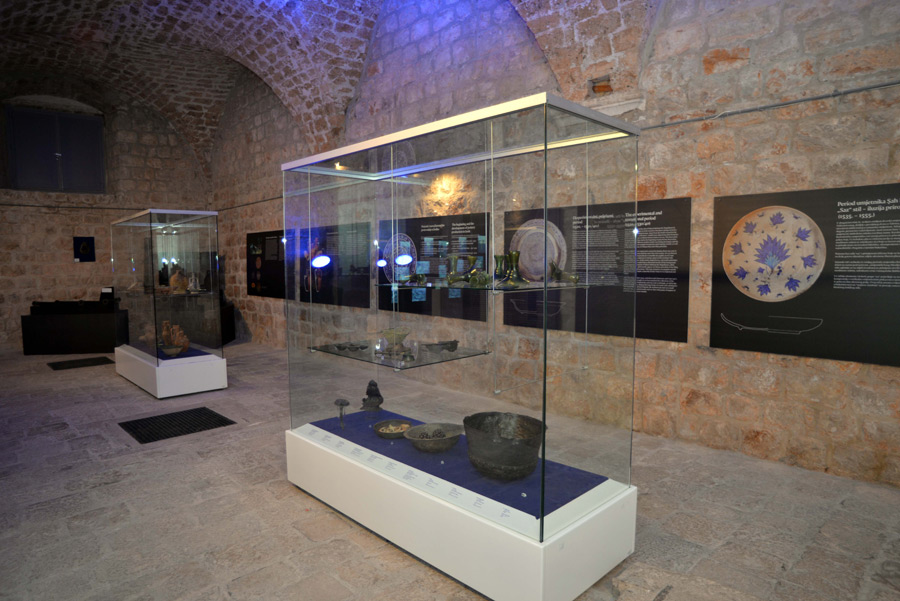
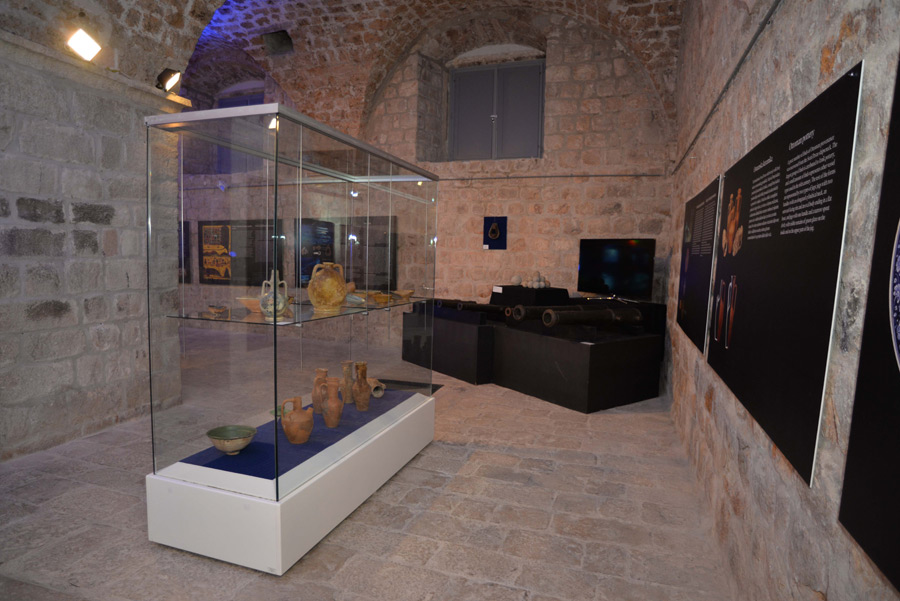
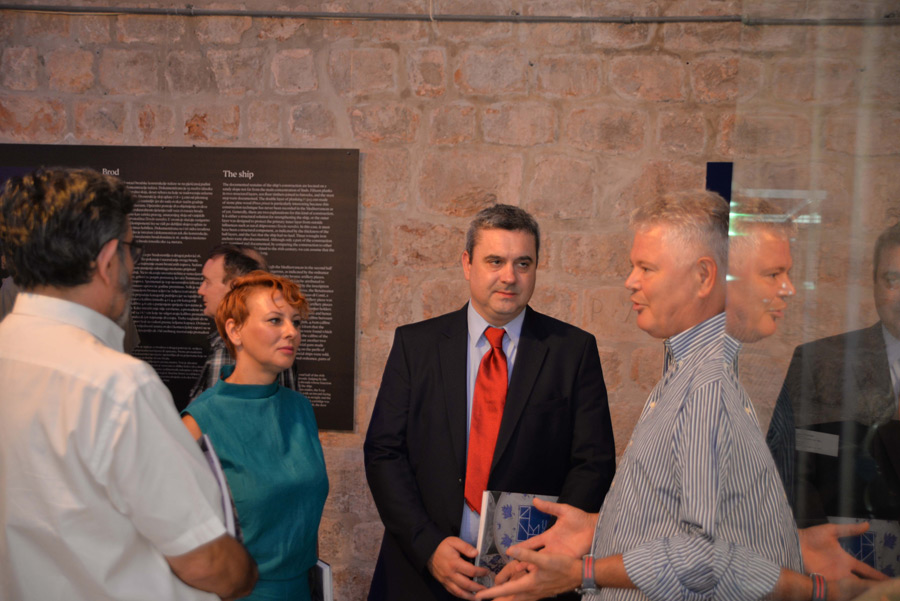
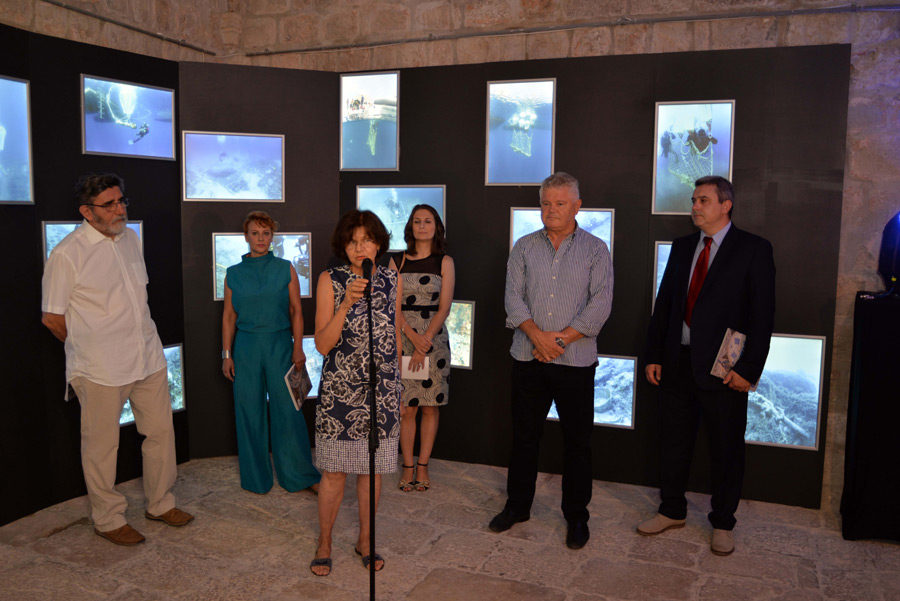
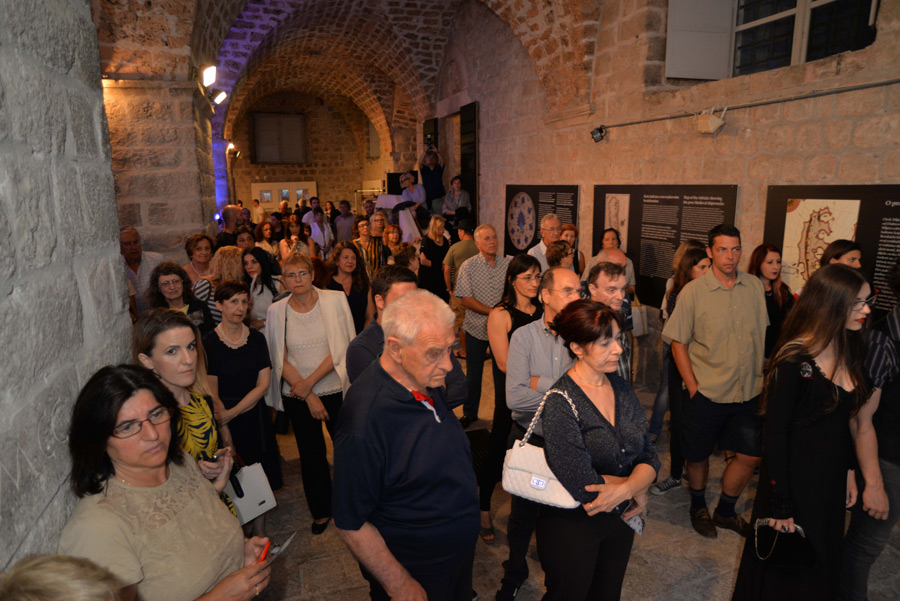
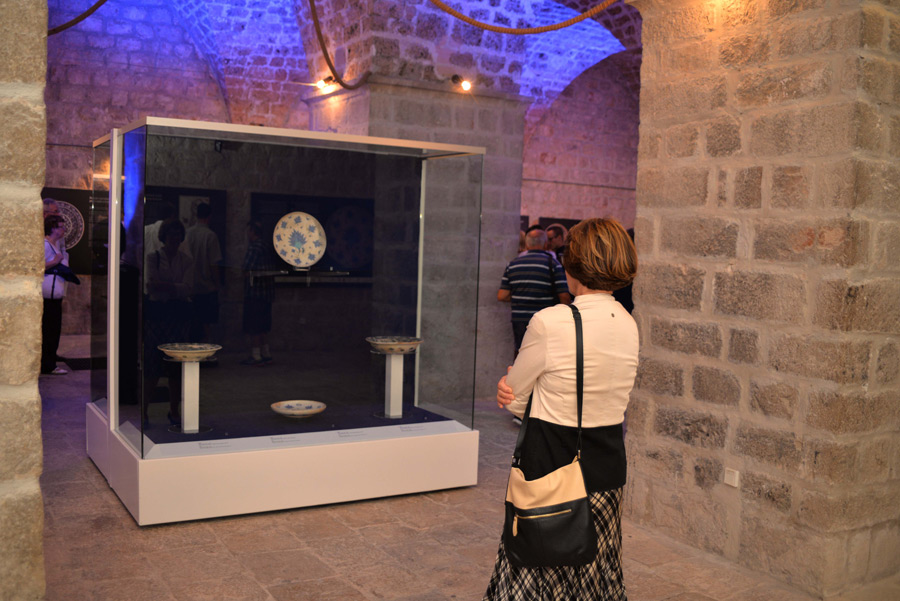
As part of the exhibition, the Mimara Museum hosted three lectures, in Croatian:
- The history of research of the 16th-century Venetian shipwreck and the pottery cargo from the Ottoman town of Iznik on the vessel that sank in the Sveti Pavao shallows
- Weaponry from the 16th-century ship that sank in the Sveti Pavao shallows and life on a Venetian trading vessel
- Iznik pottery from the Dubrovnik Museums
Related articles: